

The Short Answer (June 2026)
On 16 June the RBA held the cash rate at 4.35%. After three straight hikes this year, this is the first time the Board has sat still, and the vote was unanimous. Do not read it as a green light. The RBA was clear it will lift again if inflation forces its hand. For buyers and sellers in the east and south-east, the practical takeaway is simple: the market has stopped getting more expensive to borrow into for now, but it has not suddenly turned hot. Headline clearance rates are soft, values have eased back from their late-2025 peak, and the advantage still sits with whoever is the most prepared.
1. What Actually Happened on 16 June
The Board left the cash rate at 4.35%. That follows three 25 basis point increases in February, March and May, which together took the rate from 3.60% at the start of the year. So borrowing costs are meaningfully higher than they were in January, even though they did not move yesterday.
Two things matter in the detail. First, the hold was unanimous, which tells you the Board is genuinely watching the slowdown it has engineered. Second, it pointedly did not rule out more hikes. The statement said monetary policy will do what it considers necessary, including raising again if required. A pause is not a pivot.
2. Why This Is Not a Signal to Rush
It is tempting to treat any pause as the bottom and pile in. The data does not support that yet.
Melbourne's median dwelling value is sitting around $823,000, down roughly 0.6% over the month and 1.5% across the quarter, and now about 1.9% below the cyclical high from November 2025. On an annual view the city is still just in positive territory, so this is a moderate correction rather than a collapse, but the short-term direction is clearly down.
Auctions tell the same story. Melbourne's preliminary clearance rate slipped to around 52% the weekend ending 7 June, the weakest reading in years and well under the 60% mark that signals a balanced market. Sellers are not commanding the room the way they were a year ago.
The point is this. A rate hold removes one source of pressure, but it does not erase a softening market. If anything, it gives you time to do the work properly.
3. What It Means if You Are Buying
This is still a buyer's market in most of the east and south-east, and the pause does not change that. It arguably helps you.
With rates steady, you can size up your borrowing capacity with more confidence than you could during the hiking run. Use that certainty. Get your finance pre-approval locked and current, because the buyers winning right now are the ones ready to move the day the right home appears, not the ones starting the conversation with a broker after they have fallen in love with a property.
Expect to keep your negotiating edge. Listings that have passed their first two or three weeks are where the genuine value sits, because that is where vendor expectations soften. But be honest with yourself about why something is cheap. There is a real difference between a well-located home stuck behind an ambitious price guide, which is an opportunity, and a compromised property that is cheap for a reason you will inherit, which is not.
4. What It Means if You Are Selling
A hold is steadier ground than another hike, and buyer confidence tends to firm slightly once the rate question is off the table, even temporarily. That is mildly good news. It is not permission to overprice.
In a sub-55% clearance market, the homes getting strong results are the ones run like a controlled launch: realistic price guidance from day one, genuine investment in presentation, and a method chosen for the property rather than out of habit. Auction still works where there is real depth of competition. For everything else, a well-run private campaign with sharp negotiation is increasingly the better call.
If you are selling and buying again in the same market, do not wait for rates to fall before you list. Both sides of your move shift together, so waiting rarely gets you ahead. The better question is whether your home is genuinely ready to go to market.
Director's Tip: A rate pause buys you time, not certainty. The smartest buyers and sellers I am working with right now are using these next few weeks to get properly prepared, not to sit and guess where the next decision lands.
5. One Pocket That Is Not Following the Trend
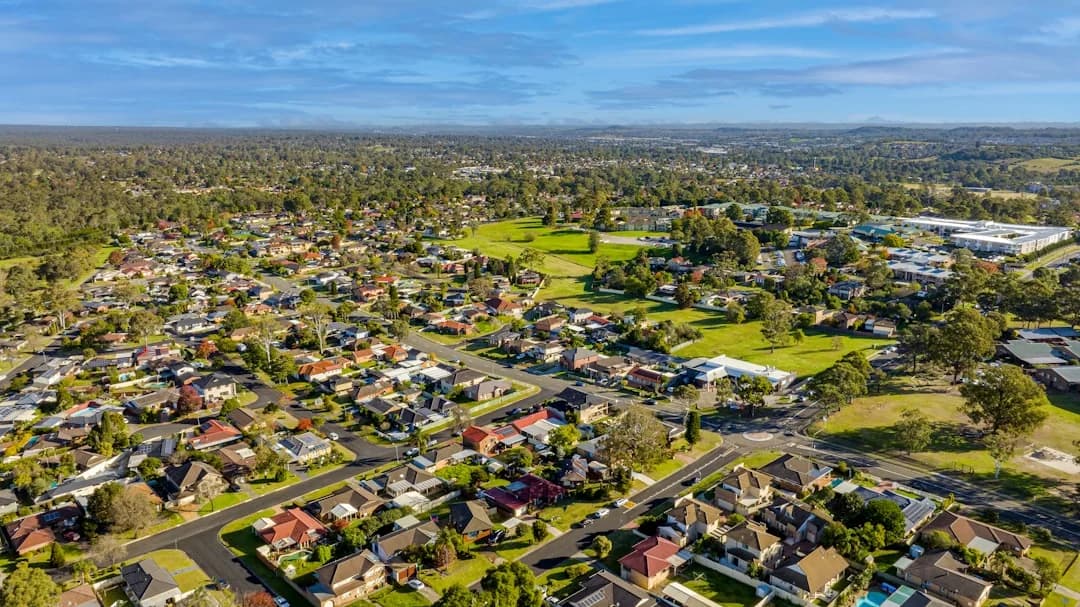
Worth knowing if you are active in our patch: while listings across Melbourne are down only slightly year on year, the established infill belt of the south-east is the tightest supply zone in the city, with stock on market sitting around 1.4%. No new land is being released in these areas, so well-located, well-presented homes there are still drawing genuine competition even while the citywide numbers soften. The lesson is that the market is never one number. Your street can be running a different race to the headline.
FAQ: What We Are Being Asked This Week
Q: Does the hold mean rates have peaked?
No one can say that yet, and the RBA deliberately left the door open to more hikes. Treat 4.35% as where we are today, not a promise about where we are headed.
Q: Should I wait for rates to start falling before I buy?
If you wait for the cut, you will likely be buying alongside everyone else who waited, and that competition tends to push prices back up. Buying in a softer market with a steady rate, while you have leverage, is often the stronger position.
Q: Is it a bad time to sell?
It is a more demanding market, not a bad one. Honestly priced, well-presented homes are still selling competitively. Underdone or over-optimistic campaigns are the ones sitting.
Q: Will this pause lift buyer demand straight away?
A little, and gradually. Removing the threat of an imminent hike helps confidence at the margin, but it does not override the bigger picture of higher rates and a market that has eased off its peak.
Bottom Line
The RBA's June pause is a moment to breathe, not a starting gun. Rates have stopped climbing for now, but they sit higher than they did in January, the market has come back from its late-2025 high, and the edge still belongs to whoever is best prepared. Whether you are buying or selling in the east or south-east, the next few weeks are for getting ready, not for guessing.
Thinking about your next move, or just trying to read the market clearly? Please contact us.